High Cholesterol, How to Lower High Cholesterol Naturally

What is Cholesterol
| ||
|---|---|---|
The Danger of High Cholesterol
| ||
Stress and High Cholesterol
| ||
How to lower High Cholesterol naturally
|
Cholesterol is an essential part of every cell structure and is needed for proper brain and nerve function. It is also the basis for the manufacture of sex hormones. Cholesterol is an essential component of the blood stream that repairs body cells.
Cholesterol comes in two forms: serum cholesterol and dietary cholesterol.
Serum cholesterol is the cholesterol in the bloodstream, which is a fatty substance manufactured by the liver makes to provide the body with energy and repair damaged cells.
Dietary cholesterol is cholesterol that is resent in food. Since the liver produces 1,000 milligrams of cholesterol levels a day, you need very little cholesterol from food. Unfortunately our daily cholesterol intake from food extensively exceeds those needs.
Cholesterol levels are greatly influenced by diet. The consumption of foods high in cholesterol and saturated fats increases cholesterol levels, while healthy eating, regular exercises and health supplements such as niacin and vitamin C lower cholesterol.
Cholesterol itself isn’t harmful.
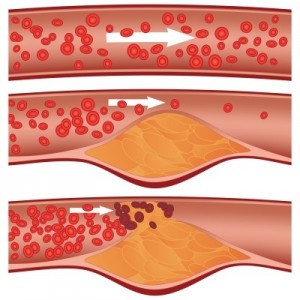
Danger starts when extra cholesterol is not efficiently removed from the blood stream and therefore there is too much cholesterol in the bloodstream. It leads to the formation of plaque, a sticky substance that accumulates in and blocks the arteries, which can lead to an atherosclerosis, cardiovascular disease, heart attach, circulatory problems, and hypertension.
The Danger of High Cholesterol
High cholesterol is a risk factor for the heart attacks that kill more than a half-million Americans a year.
The risk for either Alzheimer’s disease or vascular dementia is at least 50% percent greater in people with only mildly high cholesterol levels—over 200.
So take measures to keep your cholesterol in the normal range: whether it means a change in your diet, lifestyle or manage stress.
The effects of high cholesterol in the blood stream can’t be seen in a short run. The complications are seen very late, often years after the cholesterol levels have started rising.
With the increase low density lipoprotein (LDL, also known as bad cholesterol), and the decrease of high density lipoprotein (HDL, also known as good cholesterol), cholesterol deposits start accumulating in the walls of arteries and other organs.
High bad cholesterol and low good cholesterol levels can lead to serious diseases, such as heart attack, stroke, coronary disease, peripheral artery disease, and hypertension. Many of these diseases are life threatening if left untreated.
Get your cholesterol tested regularly. You can do it easily at home with Cholesterol Home Testing Kit.
Cholesterol Home Testing Kit

Check Cholesterol Regularly
How Stress increases Cholesterol level
Whenever you perceive stress, an inbuilt alarm-system in your brain triggers the adrenal glands to release complex hormonal cascade of over 30 stress hormones, including adrenaline and cortisol.
Those stress hormones give you the extra strength and speed you need to deal with the threatening stressful situation. This reaction is known as the "fight-or-flight" reaction, or the stress response.
The bodies balance is destroyed, which leads to multiple health related problems and premature aging to name just few.
Stress and High Cholesterol
Stress can increase cholesterol in two ways.
Chronic stress and extensive release of stress hormones, adrenaline and cortisol trigger the production of cholesterol.
Stressful situations cause the body to attempt to produce more energy (fatty acids and glucose). The high sugar levels, however, often are not used up by the body and eventually are converted to fatty acids and cholesterol. Additionally -- as with modern-day stressors an actual physical fight or escape is not required – excessive sugar is gradually accumulated as fat tissue, mostly around the abdomen area. And those with more abdominal fat are at higher risk for cardiovascular disease and diabetes.
Another significant factor is that stress also can push people toward unhealthy habits and lifestyle choices: smoking, drinking and emotional or stress eating that contributes to high cholesterol and an increased risk of heart disease.
For example, when some people are under stress, they console themselves by eating fatty foods. The saturated fat and cholesterol in these foods contribute to higher levels of blood cholesterol.
How to lower High Cholesterol naturally
High cholesterol often can be prevented by living a healthy lifestyle and managing stress effectively.
Tips to lower High Cholesterol naturally
-
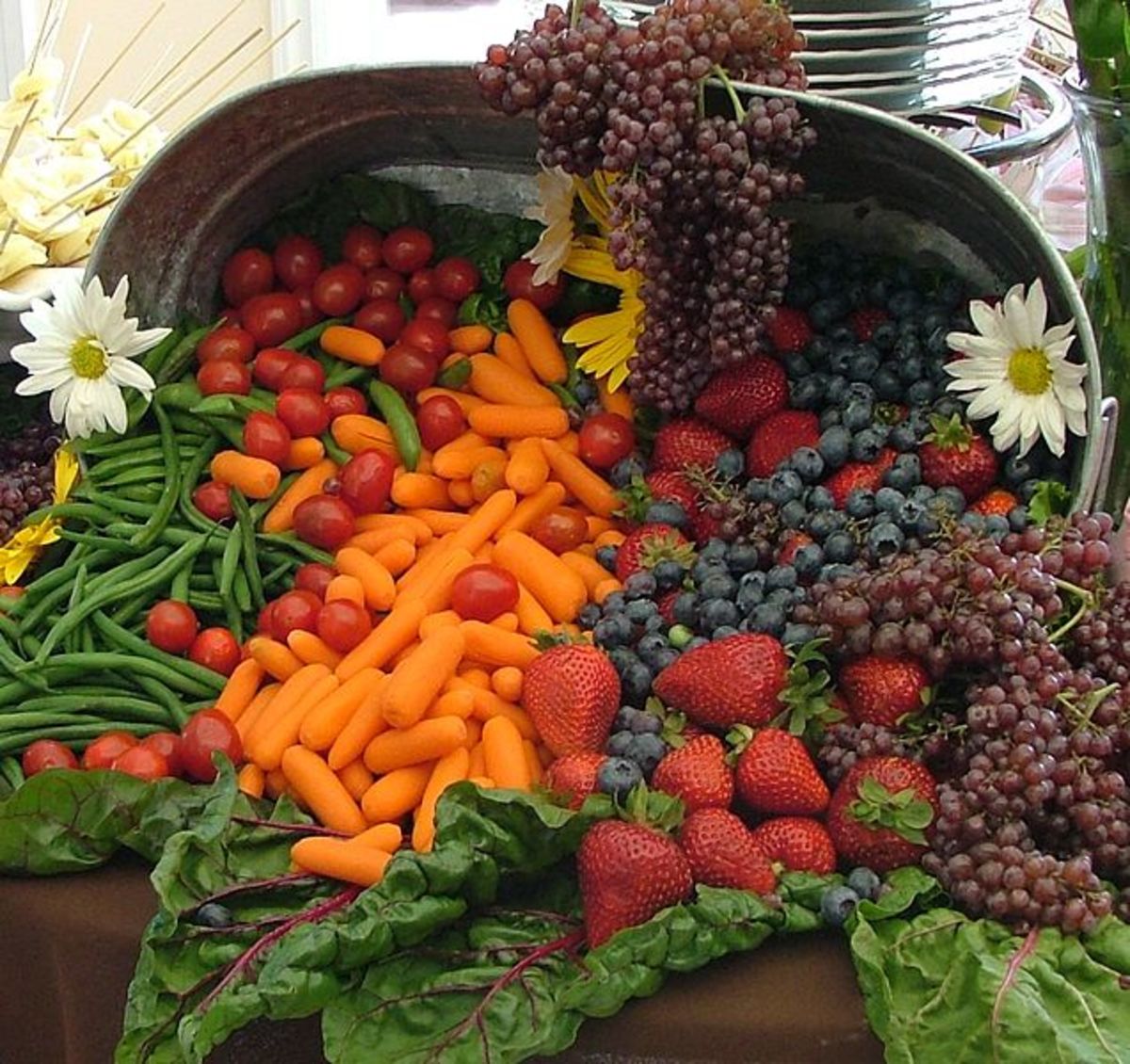
Include cholesterol lowering foods into your diet: apples (apple pectin lowers cholesterol levels by binding fats and heavy metals and removing them from the body through the intestine before they are absorbed through your bloodstream), bananas, carrots, cold water fish, dried beans, garlic, grapefruit and soy products.
-
Use natural remedies and herbs such as spirulina, cayenne, and goldseal and cholesterol lowering supplements -- LCBalance ( below)
-
Increase your dietary fiber intake in the forms of fruits, vegetables, and whole grains. Vegetables and fruits lower cholesterol level. Studies have shown that diet consisting of grains, fruit, and raw vegetables result in lower blood cholesterol levels.
-
Use only cold pressed oils. Pure virgin olive oil appears to help to reduce serum cholesterol.
-
Eat unsalted walnuts and almonds.
-
Drink fresh juices, especially carrot, celery, and beet juices.
-
Reduce the amount of saturated fat in your diet. Eliminate from your diet hydrogenated fats, such as margarine.
-
Consume good fats which supply essential fatty acids.
-
Consume low-fat diary products, and skinless white poultry meat, but only in moderation.
-
Detoxification can also help significantly lower cholesterol.
-
Do not consume candies, cookies, alcohol, nondairy creamers, processed or refined foods.
-
Avoid smoking and excessive drinking.
-
Get regular moderate exercise to combat a sedentary life, obesity and stress.
-
Try to avoid or prevent stress.
-
Learn stress management techniques.
-
Practice yoga, qigong or meditation to relax and relief stress. Get Indian head massage or reflexology. Making time to relax and do the things you enjoy may help you achieve a lower cholesterol level.
About the Author
Dr.Inese Millere , M.D. is lifestyle coach in holistic stress management and mindful eating for busy women after 40 who want to be Fit, Balanced and Ageless: to manage stress, stress eating, have a healthy and joyful relationship with food and enjoy healthy living and longevity.
Manage Your Stress, Stay Healthy and Live Longer
- STRESS MANAGEMENT: Aromatherapy for Stress and Stress Related Conditions
Aromatherapy is a natural, holistic treatment system designed to affect the whole person not just the symptom or disease and to assist the body's natural ability to balance, regulate, heal and maintain itself... - STRESS MANAGEMENT: Biofeedback for Stress Management and Stress Relief
Biofeedback is one of the most effective tools available for stress management and stress relief. Biofeedback is the widely-used and medically-accepted technique for teaching us to control stress. - STRESS MANAGEMENT: Herbs for Anxiety and Stress
The medicinal benefits of herbs have been known for centuries... - STRESS MANAGEMENT: How To Create Stress Management Plan For Free
In the middle of the 20th century physiologist Hans Selye labeled our reaction to life's challenges with a simple word: stress.
Related
A List of Foods for People with High Cholesterol: The Good, the Bad and the Somewhere in Between

Tips for Reducing High Cholesterol
Top 5 Ways To Lower Blood Pressure Naturally
How to Lower Your Cholesterol Level Fast / Quickly

Cholesterol - Its Types and Foods To Boost HDL Cholesterol, The Good Cholesterol